
Total knee replacement (TKR) is one of the most frequently performed orthopedic surgeries to address severe joint wear. Many patients legitimately question the actual effectiveness of this operation and its long-term benefits. Current clinical data confirm a knee replacement success rate overall high, with a satisfaction level close to 85 %.
However, statistics also reveal that a minority of patients continue to experience pain or functional limitations. Analyzing the concrete results and longevity of the implants allows for setting realistic expectations before considering this reconstructive surgery.
Defining the success of a knee replacement: two realities
It is essential to distinguish between two complementary approaches when discussing the knee replacement success rate. On one hand, the surgeon assesses the technical performance of the procedure; on the other hand, the patient judges their restored quality of life.
Surgical success: a stable and functional implant
For the orthopedic surgeon, success is based on objective and measurable criteria. An implant is considered a success if it meets the following conditions:
- Positioning validated by postoperative radiography; ;
- Joint stability during flexion and extension movements; ;
- Satisfactory mobility, generally allowing flexion of at least 110 to 120 degrees; ;
- The absence of immediate complications such as infection or early loosening.
Patient satisfaction: the end of pain and increased independence

The patient's experience is the ultimate measure of the intervention's effectiveness. Here, success is reflected in the disappearance of mechanical pain related to osteoarthritis and the ability to resume simple daily activities.
Being able to walk without a limp, climb stairs without assistance, or drive again are the most frequent indicators of satisfaction. Approximately 90% of patients report a significant improvement in their quality of life after receiving a prosthesis.
The paradox of the 15 %: why do some patients remain disappointed?
International statistics reveal a consistent phenomenon: approximately 15 to 20% of patients report being only moderately satisfied or disappointed, even when the surgery is technically perfect. This discrepancy can be explained by several factors:
- The persistence of discomfort or a "heavy knee" that does not seem natural; ;
- Residual sensitivity during certain exertions; ;
- Initial expectations are sometimes too high compared to what an artificial joint can actually offer.
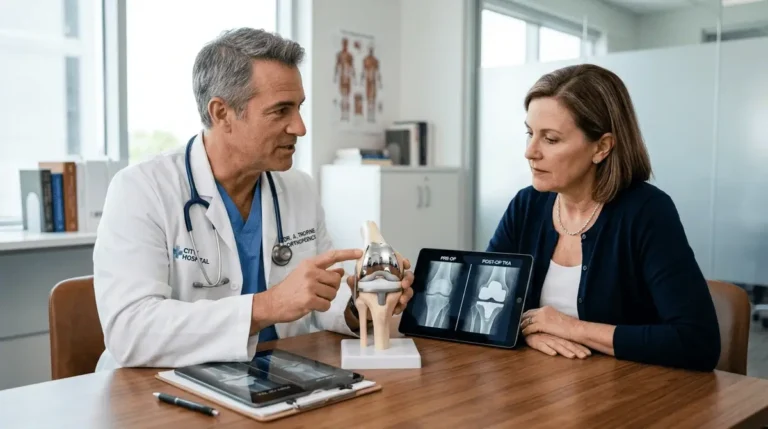
This is why a thorough discussion between the surgeon and his patient before the operation is essential to harmonize expectations and foreseeable results.
Survival and longevity statistics of implants
The durability of an artificial joint is a major concern for patients, especially younger ones. knee replacement success rate is primarily assessed by its "survival", that is, the time during which the implant remains in place without requiring change.
Summary of implant survival rates
| Time after the operation | Survival rate (PTG) | Survival rate (PUC, "partial prosthesis") |
|---|---|---|
| 10 years | 95 % and more | Approximately 90 % |
| 20 years | 85 % to 90 % | Approximately 80 % |
| 25 years (The Lancet study) | 82 % | 70 % |
These figures demonstrate that the vast majority of patients will only undergo one knee operation in their lifetime. This remarkable longevity now allows the procedure to be offered to more active patients, with increased confidence in the long-term durability of the implant.
PTG vs PUC: different results depending on the type of prosthesis
The choice between a total knee replacement (TKR) and a unicompartmental knee replacement (UKR) directly influences the success rate Perception and survival of the implant:
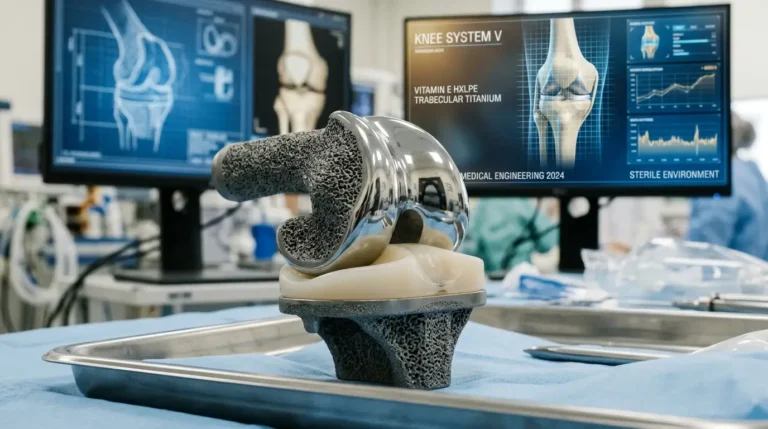
- Total knee replacement (TKR): It replaces the entire joint. It is the most robust option with the highest long-term survival rate.
- Partial prosthesis (PUC): It only replaces the worn part. While it offers a more "natural" knee feel and faster recovery, the risk of further surgery is statistically higher. To learn more about this alternative, you can consult the specifics of the partial or unicompartmental knee replacement.
Key factors for optimal results
The knee replacement success rate does not depend solely on the technical procedure. Several individual and technological variables come into play to guarantee the longevity of the implant.
The impact of age and weight on implant lifespan
In a young and very active individual, polyethylene can wear out more quickly. Conversely, advanced age can be accompanied by muscle atrophy, making recovery more complex. Weight is also crucial: a high body mass index (BMI) increases mechanical stress on the fixation points. Stabilizing one's weight before the procedure is therefore a worthwhile strategy for maximizing success.
"Prehabilitation": preparing for better recovery
The success of an arthroplasty often requires preparation several weeks before the operation:
- Muscle strengthening: A strong quadriceps greatly facilitates resuming walking; ;
- Joint flexibility: Working on extension beforehand limits postoperative stiffness; ;
- Quitting smoking: It reduces the risks of poor healing and infection.
The role of technology? Robotic assistance and 3D planning
Does the evolution of techniques contribute to improved results?
These robotic or "custom-made" prosthesis techniques improve precision, but studies do not currently show any improvement in implant survival or long-term functional results.
Today, we have precision tools:
- 3D planning: It allows the intervention to be simulated on a virtual model. This approach makes it possible, in particular, to perform a custom knee replacement with personalized planning.
- Robotic assistance: It helps to make bone cuts with sub-millimeter precision. robotic knee replacement surgery is one of the major levers for improving the precision of the movement.
Recovery and return to activities
Patient involvement is the primary driver of their own recovery. To fully understand the stages of your hospitalization, please consult the details on [website/link]. your intervention and the care pathway at the clinic.
Rehabilitation and recovery time
Rehabilitation follows enhanced recovery protocols (ERAS). Here are some typical timeframes for patients:
- Walking with full support: possible on the day of the procedure or the following day; ;
- Driving a car: generally feasible between the 4th and 6th week (depending on the side operated on and the type of gearbox); ;
- Swimming : permitted as soon as the scar is perfectly sealed, i.e. around the 4th or 6th week; ;
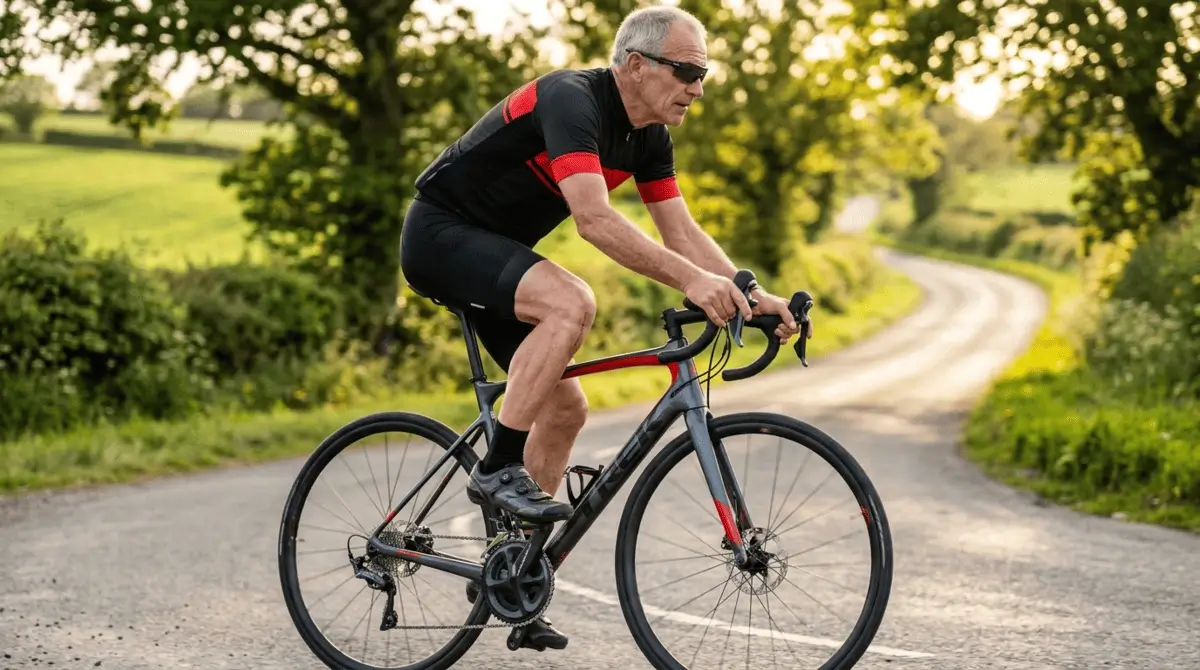
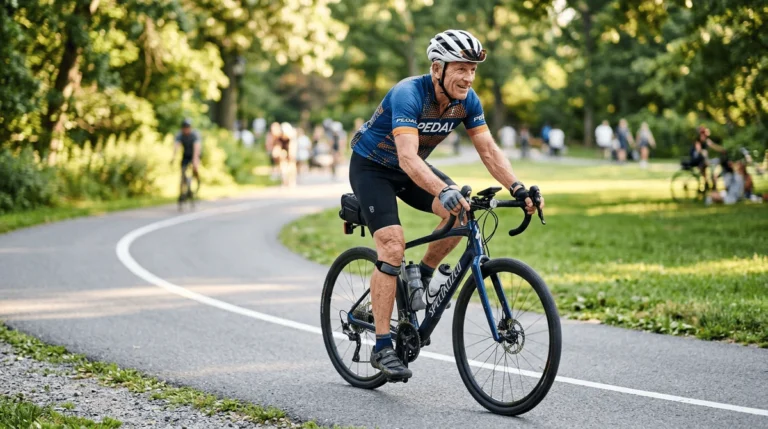
- Sports activities (cycling, golf): A gradual return to work is possible between the 2nd and 3rd month.
Complications and risks of failure: remain realistic
Although statistically low, the risk exists. Periprosthetic infection affects approximately 1 in 10% of patients and requires prompt management. Loosening (loss of fixation) is the second major cause of long-term failure. In some complex cases, a revision surgery for knee replacement may prove necessary.
Summary: Key points to remember
- High satisfaction: 9 out of 10 patients report being satisfied with their operation.
- Proven durability: More than 80 % total prostheses are still in place after 25 years.
- Crucial preparation: Rehabilitation and weight management before surgery optimize results.
- Regular monitoring: Radiological monitoring every 2 to 5 years is recommended to ensure the longevity of the implant.
In conclusion, knee replacement surgery is a reliable procedure that transforms the daily lives of patients suffering from severe osteoarthritis. To learn more, discover all the solutions for...’knee surgery and osteoarthritis treatment.
Regaining fluid movement and forgotten articulation
The statistical data presented in this guide offers a general overview of the post-surgery journey. However, every knee has its own unique anatomy, and every patient's recovery process is different. Your age, muscle condition, and the precision of the surgical technique used during the procedure are all factors that will make your success unique.
To accurately assess your chances of success and define a recovery schedule tailored to your personal goals, a personalized clinical analysis is essential. Only a specialist consultation can tailor the choice of implant and the rehabilitation strategy to your lifestyle.
I invite you to schedule a consultation appointment. Together, we will study the most suitable solutions to enable you to regain stable, pain-free and lasting mobility.

 English
  French