
HIP SURGERY

Hip replacement after childhood pathology

Certain childhood pathologies can leave lasting damage to the hip joint. Joint sequelae can lead to secondary osteoarthritis of the hip.
When the pain or loss of mobility becomes too great, a hip prosthesis is an effective way of restoring comfort and freedom of movement.

picto hip 2

What childhood pathologies are involved?

A number of childhood joint diseases can affect the hip and leave significant after-effects in adulthood:

  • Congenital dislocation of the hip
  • Legg Perthes Calvé disease, also known as Primary Hip Osteochondritis
  • Epiphysiolysis of the femoral head
  • Certain constitutional bone diseases (epiphyseal dysplasia, pseudoachondroplasia, Morquio's disease, etc.)

These pathologies affecting the hip joint alter the normal anatomy of the joint. The resulting joint deformities are the result of growth disorders, vascularisation anomalies or cartilage disease. 

Despite appropriate treatment during childhood, all these pathologies can lead to premature wear of the joint: secondary coxarthrosis. 

osteoarthritis on osteochondritis

Osteoarthritis of the left hip in the aftermath of osteochondritis following a pelvic osteotomy in childhood.

fig 1 oih bilateral adult rx face

Bilateral osteochondritis operated on in childhood. The hip is anatomically altered but not arthritic.

Why have a prosthesis in adulthood?

In the majority of cases, these childhood joint diseases affecting the hip evolve favourably thanks to specific and adapted treatment in paediatric surgery departments. 

Nevertheless, some patients find that their hip joints deteriorate from year to year. Symptoms often appear in younger patients, before the age of 50. 

The clinical manifestations of secondary hip osteoarthritis are very classic:

  • Chronic pain in the groin, buttock or thigh. Sometimes with pain radiating to the knee.
  • A stiff hip that makes it difficult to get dressed, get in and out of a car...
  • Increasing difficulties in sporting or physical activities, and then in activities of daily living.

Hip replacement can eliminate these symptoms and improve patients' quality of life.

Surgical techniques adapted to childhood sequelae

In some cases, surgery for osteoarthritis of the hip resulting from childhood pathology requires mastery of certain reconstruction techniques. 

In these diseases, the hip joint may show significant anatomical changes. The acetabulum may be very dysplastic, very receding, shallow and flat, or even non-existent. In some of these cases, the femur may be very abnormal: very small, deformed and difficult to prepare using conventional techniques.

Our teams adapt their technique for fitting a hip prosthesis to each individual case:

  • Axial correction osteotomy, combined with prosthesis
  • Specific prosthesis or custom-made prosthesis
  • Adapted approach techniques when the anterior route is not feasible: posterior route, trans-trochanteric route, etc.

These files are prepared in advance during a collegial surgical discussion within the team.

Hip osteoarthritis due to sequelae of childhood pathology

Where to have an operation in Paris?

Our teams work in a number of leading establishments in Paris:

For consultations:

  • Espace Médical Vauban
  • IMSS - Institut Médical Sport Santé
  • ARAGO Clinic

For interventions:

  • ARAGO Clinic

You will be cared for by recognised specialists: Dr Kerboull, Dr Sailhan and Dr Zilber, experts in hip surgery.

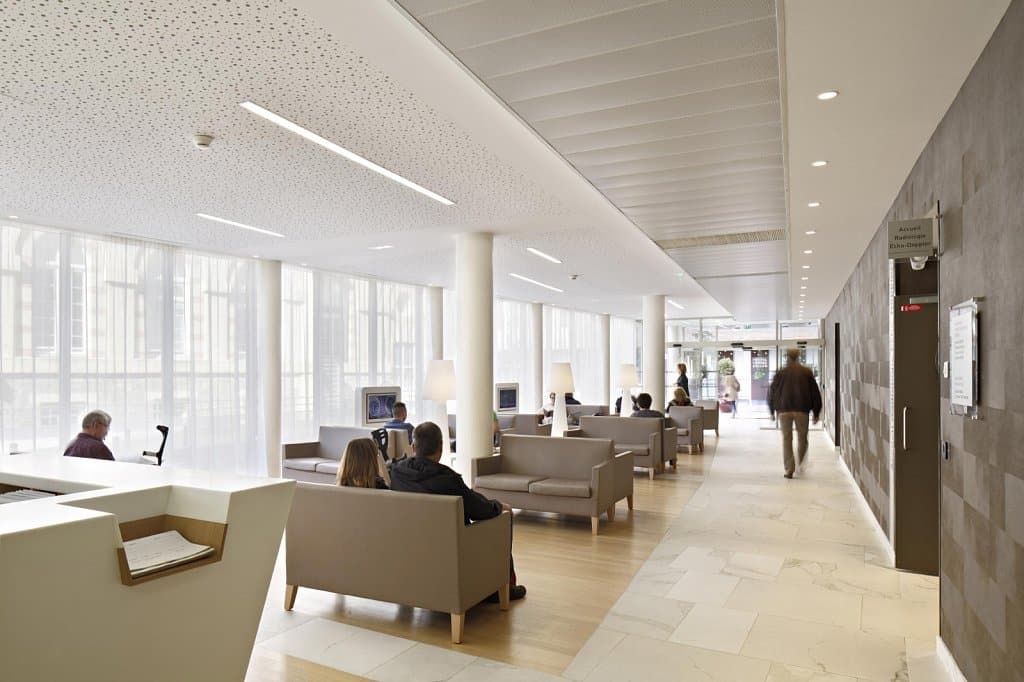
clinical entrance

If you suffer from pain or functional limitations due to childhood hip disease, the fitting of a made-to-measure prosthesis can transform your daily life.

Don't hesitate to make an appointment for a personalised assessment, so that we can work together to find the best solution for you.

Frequently asked questions (FAQ)

Is it common to have a hip replacement after a childhood illness?


Yes, many adults who suffered from childhood pathologies are now benefiting from this effective solution.

Is the prosthesis suitable for pre-existing bone deformities?


Yes, a made-to-measure prosthesis can be designed to fit your anatomy perfectly. It is sometimes necessary to perform an osteotomy to realign the femur bone correctly.

What is the recovery time?


Walking is resumed within the first few days. Resumption of full weight-bearing is often possible quickly, but sometimes delayed depending on the technique used.