HIP SURGERY

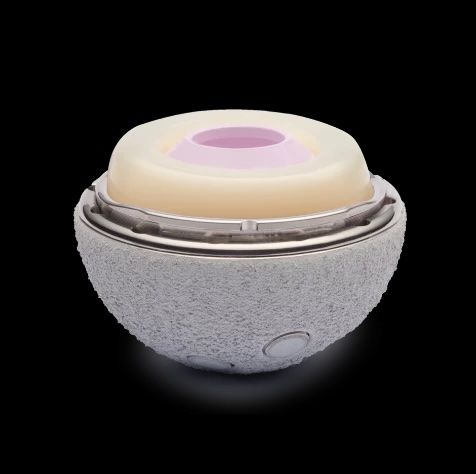
Hip prosthesis

Total hip replacement is one of the most widely performed orthopaedic surgical procedures in the world. It gives excellent results in the vast majority of cases. Technical and precise, this type of surgery nevertheless requires appropriate care from a team of specialist orthopaedic surgeons. 

picto hip 2

Why have a hip replacement?

The joint in your hip is damaged, causing you pain or a daily stiffness disabling? This often involves the fitting of a hip prosthesis.

There are many reasons for this:

  • Osteoarthritis of the hip joint, a common phenomenon of ageing in the vast majority of cases
  • Necrosis of the femoral head (osteonecrosis)
  • Certain inflammatory diseases (rheumatoid arthritis)
  • After-effects of childhood or adolescent illnesses (femoral epiphysiolysis, primary osteochondritis of the hip, arthritis, etc.).
  • Sequelae of hip dysplasia or congenital hip dislocation
  • Fracture of the neck of the femur
cross of kerboull

The different surgical techniques

Each patient benefits from personalised care tailored to his or her situation.

Several surgical techniques can be proposed depending on the morphology of the hip, the pathology of the hip and the extent of the damage to the joint:

  • Our preferred approach: the anterior hip approach, a minimally invasive approach known as the Hueter approach: To approach the hip and insert a hip prosthesis, we use the anterior approach. 
  • Hip prosthesis for dysplasia Reconstruction: to correct anatomical malformations resulting from dysplasia, it is sometimes necessary to use reconstruction techniques (graft, framework, etc.). A specific approach to the hip is sometimes indicated (such as trochanterotomy).
  • Made-to-measure hip prosthesis The prosthesis stem is designed on the basis of CT reconstruction images. It may be indicated in certain specific cases.  
  • Hip replacement Revision: when the first prosthesis wears out or deteriorates, a revision consists of removing the loosened or worn prosthesis and replacing it with a revision prosthesis. Bone reconstruction is sometimes necessary to reconstitute the anatomy of the hip. These prosthesis replacements may require specific implants and involve mastery of more complex techniques (femorotomy, torchantérotomy, etc.).   
  • Hip replacement for childhood pathology specially indicated for treating the after-effects of childhood ailments.

How does the operation work?

Each patient benefits from personalised care. The operation is scheduled after a consultation and a full pre-operative check-up. Hip surgery is performed under anaesthetic (general or spinal) and lasts from 60 to 90 minutes.

Our three surgeons have been working in pairs with the same anaesthetists for years. This improves the quality of care and follow-up.

Our teams consult in renowned establishments in Paris:

  • Espace Médical Vauban
  • IMSS - Institut Médical Sport Santé
  • ARAGO Clinic

We carry out surgical procedures at the ARAGO Clinic, this facility specialises in hip and knee replacement surgery.

dm sailhan cup
hip rehabilitation

Post-operative and rehabilitation

Resumption of walking begins very soon, a few hours after the operation. A kinesitherapist from the Clinique Arago will help you take your first steps and give you the first postoperative instructions: walking, crutches, stairs, mobilisation instructions, icing the thigh, etc.

Pain management is provided on an ongoing basis under the supervision of your anaesthetist. 

Mobilisation is encouraged. Meals are taken in a sitting position from the day after the operation. 

The scar is checked by the nurse. 

We recommend icing the thigh regularly, once or twice a day, for the first 15 days.

You can return home on the second or third day after the operation. The return home is made by private vehicle or contracted taxi. Scar care is continued at home with a nurse.

Daily walking is encouraged. Your surgeon will see you again at the follow-up visit.

What results can you expect after hip surgery?

In the vast majority of cases, the fitting of a hip prosthesis results in optimal recovery of mobility and the disappearance or significant reduction of pain. 

It is possible to resume daily activities in the weeks following the operation.

Physical and sporting activities are authorised progressively from the second month onwards, depending on the desired activities and postoperative progress, always in accordance with your surgeon's recommendations.

Total hip replacement is an operation that offers a significant improvement in quality of life.

Where to have an operation in Paris?

Our teams work in a number of leading establishments in Paris:

For consultations:

  • Espace Médical Vauban
  • IMSS - Institut Médical Sport Santé
  • ARAGO Clinic

For interventions:

  • ARAGO Clinic

You will be cared for by recognised specialists: Dr Kerboull, Dr Sailhan and Dr Zilber, experts in hip surgery.

clinical entrance

Are you suffering from hip pain?
Don't wait to get back to living comfort.
Doctors Kerboull, Sailhan and Zilber are available to offer you personalised care.

Frequently asked questions (FAQ)

How long does it take to recover from hip surgery?


Walking is resumed immediately after the operation (the same day or the next day). Full functional recovery may take 2 to 4 months, depending on the patient. Sports activities can be resumed gradually after this period. 

Can I drive after a hip replacement?


Yes, driving is generally authorised 5 to 6 weeks after the operation.

Does the prosthesis ever have to be replaced?


The lifespan of a hip prosthesis is a minimum of 15 to 20 years, sometimes much longer. The latest ceramic-ceramic and highly cross-linked ceramic-polyethylene friction couples have extremely low wear rates.